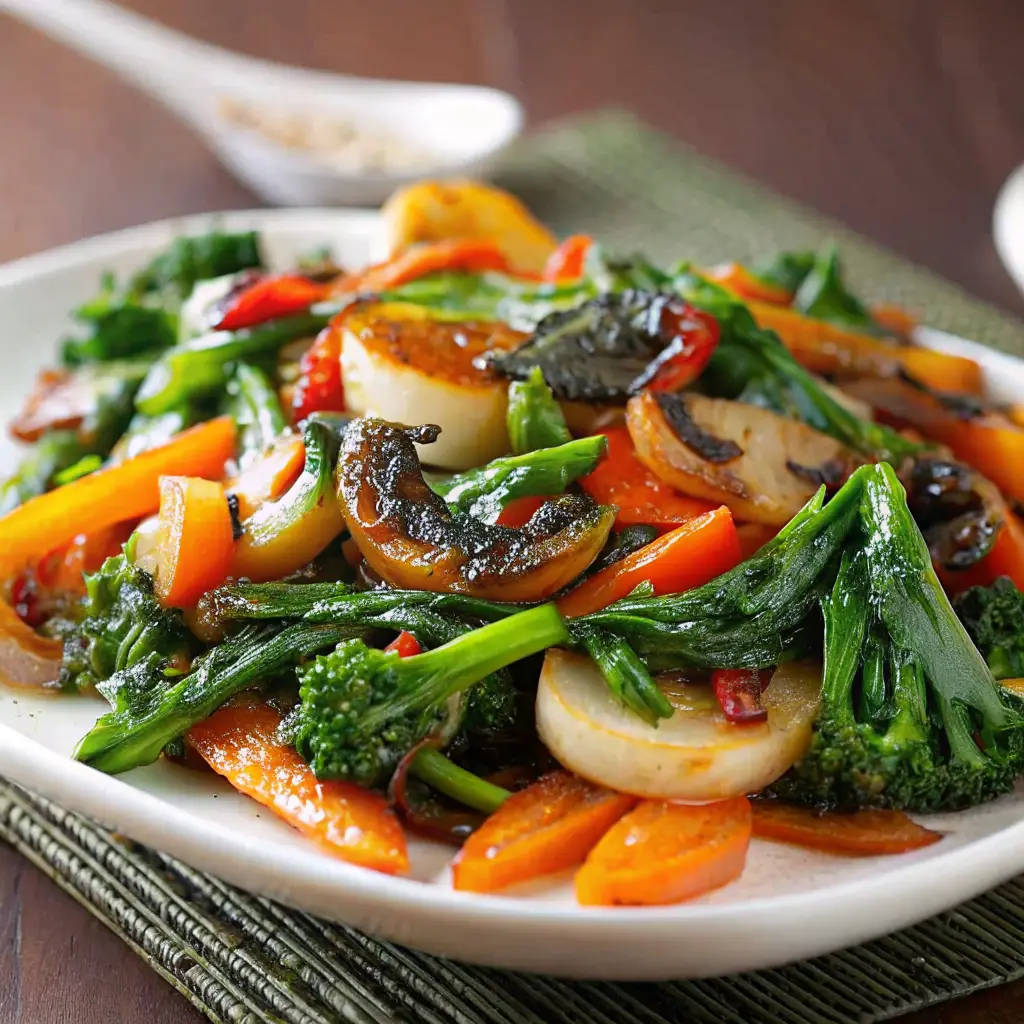
Healthy Sautéed Vegetables make a bright, flavorful, and incredibly easy side dish that fits almost any meal. This simple recipe delivers tender, vibrant veggies cooked to perfection with a balance of freshness and natural sweetness. You will learn how to achieve the best texture, how to season vegetables properly, and how to keep them crisp while still being soft enough to enjoy with any health delicious dinners you plan. This guide also includes ingredient tips, variations, serving ideas, and expert advice to help you master this one vegetable dish every time.
Table of Contents
Table of Contents
Why You’ll Love Healthy Sautéed Vegetables
The story behind the recipe
As a home cook inspired by my grandmother’s warm kitchen, simple meals always held deep meaning. I am Barbara Anderson, the creator behind KoyaRecipes.com, where I share comforting, flavorful recipes designed for real-life cooking. Growing up, I watched my grandmother measure by instinct and cook with heart. Now, as a busy mom, I bring that same spirit into my kitchen with dishes like these healthy sautéed vegetables. This 100-word version of my story appears in every recipe because those family moments shaped how I cook and what I share on Koya Recipes.
Healthy sautéed vegetables fit easily into that tradition. They highlight seasonal produce, require minimal prep, and deliver bright flavors that pair with almost everything. Whether you enjoy veggie-forward meals, follow low sodium low cholesterol recipes meals, or simply need an easy side veggie option, this dish fits perfectly.
Key reasons this recipe stands out
These vegetables cook quickly while staying crisp and colorful. Their flavor builds through gentle browning, and each veggie maintains its unique texture. The method works with veggies by season, so you can switch ingredients year-round. They pair wonderfully with healthy sauces for vegetables, allowing you to customize flavors. This is also a smart choice for vegetable recipes for diabetics because it uses whole ingredients, no added sugar, and minimal oil. It is simple, versatile, nutrient-dense, and ideal for anyone who wants delicious meals without complication.
Ingredients
Detailed ingredient list with tips and substitutions
The vegetables you choose shape the flavor, color, and texture of this dish. Below is a versatile list with helpful substitutions:
• Bell peppers: Use any color. Red adds sweetness, green adds aroma.
• Zucchini: Mild flavor and soft texture that caramelizes easily.
• Carrots: Add crunch and natural sweetness.
• Broccoli florets: Provide structure and fiber.
• Red onion: Offers sweetness and color.
• Garlic: Adds aroma and savory depth.
• Olive oil: Helps veggies sauté evenly.
• Salt and pepper: Adjust to your dietary needs. Great for heart healthy veggies.
• Lemon juice: Brightens flavors.
• Optional herbs: Basil, parsley, thyme.
• Optional seasoning: Smoked paprika or crushed red pepper.
Ingredient notes or pro tips
Choose firm, fresh vegetables for the best color and texture. Use a large skillet to allow veggies to spread out and caramelize, not steam. Cut vegetables into similar sizes for even cooking. Add delicate vegetables like spinach during the last minute. For low sodium low cholesterol recipes meals, reduce salt and boost flavor with herbs, citrus, and spices.
ingredient Table
Vegetable | Notes | Substitutions
Bell peppers | Sweet, colorful | Any color
Zucchini | Quick cooking | Yellow squash
Carrots | Adds crunch | Parsnips
Broccoli | Adds fiber | Cauliflower
Red onion | Sweetens when cooked | White onion
Garlic | Deep flavor | Garlic powder
Olive oil | Needed for sautéing | Avocado oil
Lemon juice | Adds brightness | Lime
Herbs | Fresh flavor | Dried herbs
How to Make Healthy Sautéed Vegetables
Step-by-step cooking instructions
- Wash and cut all vegetables into uniform pieces.
- Heat olive oil in a large skillet over medium heat.
- Add carrots and broccoli first since they need the longest cooking time.
- After 3 minutes, add bell peppers and zucchini.
- Stir consistently to keep veggies from burning but allow them to brown lightly.
- Add garlic and red onion in the last 2 minutes.
- Season with salt, pepper, and herbs.
- Squeeze fresh lemon juice over the vegetables before serving.
This method gives you flavorful vegetables that remain crisp-tender. If you want a one vegetable dish option, simply choose your favorite veggie and sauté it using the same technique.
Common variations or flavor adjustments
• Add soy sauce or coconut aminos for umami.
• Use Italian herbs for Mediterranean flair.
• Add chili flakes for a spicy twist.
• Toss with light vinaigrette for a quick salad-style finish.
• Stir in a spoonful of pesto for a rich flavor.
• Add mushrooms for earthy depth.
• Include leafy greens for extra nutrients.
These variations transform your vegetables into sweet snacks recipes, delicious snacks recipes, or even a light entrée. They also adapt easily to no bake desserts and makanan dan minuman categories when using zucchini or carrots in sweet savory blends.
How to Serve Healthy Sautéed Vegetables
Serving suggestions and pairings
Serve alongside grilled chicken, salmon, tofu, or whole grains. They work well with quinoa, rice, or couscous. Add them to tacos, wraps, or even taco stuffed shells for a veggie-forward fusion meal. For vegetable recipes for diabetics, pair them with lean proteins or high-fiber grains. This dish fits naturally into health delicious dinners, giving your plate color and balance.
How to make it look beautiful on the plate
Layer bright colors together. Place the darkest vegetables at the bottom and the lightest on top. Add fresh herbs for contrast. A light drizzle of lemon or healthy sauces for vegetables enhances shine and texture. Choose a white or wooden plate to make the colors stand out.
How to Perfect Healthy Sautéed Vegetables
Expert tips for success
• Keep the heat medium to avoid burning.
• Do not overcrowd the pan.
• Add vegetables in stages based on cooking time.
• Dry vegetables thoroughly to prevent steaming.
• Use a wide skillet for best browning.
• Taste and adjust seasoning just before serving.
• Add lemon at the end to preserve freshness.
Troubleshooting advice
• Veggies too soft: Increase heat and reduce cooking time.
• Veggies not browning: Cook in smaller batches.
• Too salty: Add more vegetables or a splash of lemon.
• Burning: Lower heat and stir more frequently.
• Too dry: Add a teaspoon of oil or broth.
Common Mistakes to Avoid
Typical cooking or prep errors
• Cutting vegetables unevenly.
• Using too much oil.
• Adding garlic too early.
• Skipping seasoning layers.
• Cooking everything at the same time.
How to fix or prevent them
• Prep in uniform sizes.
• Use only the recommended amount of oil.
• Add garlic last to avoid bitterness.
• Taste as you go.
• Add vegetables according to their density.
Storage and Reheating Instructions
Best way to store leftovers
Store cooled vegetables in an airtight container for up to four days. Keeping them sealed prevents moisture loss and preserves texture. This makes them perfect for meal prep or quick side veggie recipes.
Reheating methods that maintain flavor and texture
• Skillet: Reheat on medium heat for 2 to 3 minutes.
• Oven: Warm at 350°F for 5 to 7 minutes.
• Microwave: Heat in 20-second intervals to avoid overcooking.
A splash of lemon revives their freshness after reheating.
Frequently Asked Questions
How do you keep sautéed vegetables crisp?
Sauté vegetables over medium heat and avoid overcrowding. Add firmer vegetables first. Keep moisture low by drying vegetables well.
What are the best veggies to sauté together?
Pair vegetables with similar cooking times, such as bell peppers, zucchini, mushrooms, broccoli, and onions. This helps maintain ideal texture.
Can sautéed vegetables be part of diabetic-friendly meals?
Yes. They fit perfectly into vegetable recipes for diabetics because they are low in sugar and high in fiber when prepared with minimal oil and salt.
What seasoning is best for sautéed vegetables?
Use simple ingredients like salt, pepper, garlic, herbs, lemon, smoked paprika, or light sauces. These elevate flavors without overpowering them.
Healthy sautéed vegetables bring color, flavor, and comfort to everyday meals. With simple steps and thoughtful seasoning, you can create a vibrant side dish that fits many diets and occasions. Try this recipe today and share your experience at Koya Recipes. It is easy, reliable, and delicious every time.
Print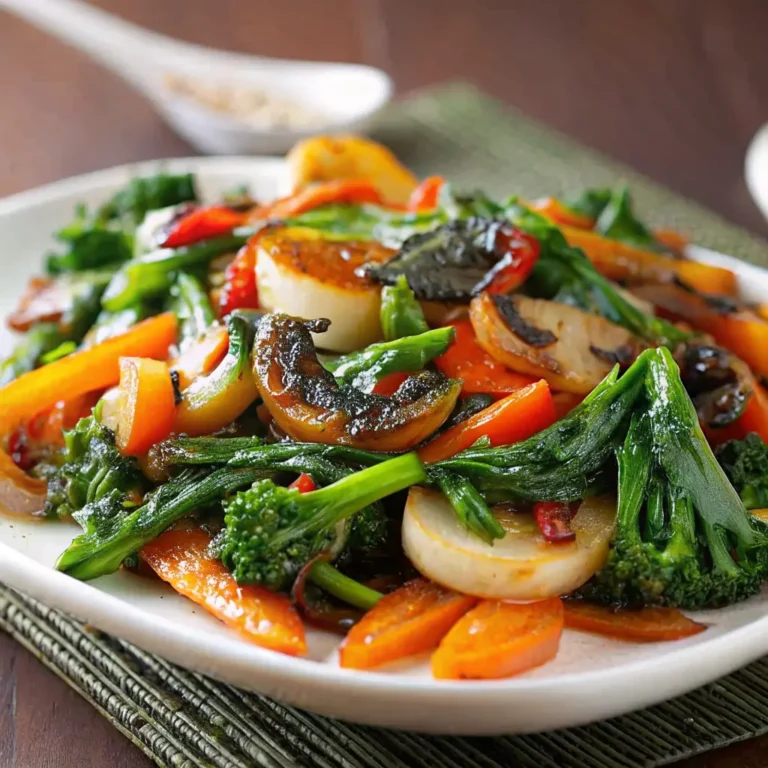
Healthy Sautéed Vegetables for Bright Flavor
A quick, versatile, and healthy dish that works as a light main, a colorful side, or a perfect meal-prep option. Easily adaptable to American, Asian-fusion, or Mediterranean flavors.
- Total Time: 22 minutes
- Yield: 4 servings 1x
Ingredients
2 tbsp olive oil (or avocado oil/butter)
2 cloves garlic, minced
1 small onion, thinly sliced
1 bell pepper, sliced
1 zucchini, sliced into half-moons
1 cup broccoli florets
1 medium carrot, julienned or sliced thin
1/2 cup snap peas
1/2 cup mushrooms, sliced
Salt and black pepper, to taste
1 tsp lemon juice (optional)
1 tsp balsamic vinegar or soy sauce (optional)
Optional toppings: toasted nuts, seeds, fresh herbs, grated Parmesan
Instructions
1. Wash, peel (if needed), and cut all vegetables into uniform pieces.
2. Heat a skillet over medium-high heat and add the oil.
3. Add garlic and onions and sauté 1–2 minutes until fragrant.
4. Add carrots and broccoli; cook 3–4 minutes, stirring frequently.
5. Add bell peppers, zucchini, mushrooms, and snap peas; sauté 4–5 minutes until crisp-tender.
6. Season with salt, pepper, and optional lemon juice, balsamic vinegar, or soy sauce.
7. Toss well, garnish as desired, and serve immediately.
Notes
Cut vegetables uniformly to ensure even cooking.
Add a sprinkle of red pepper flakes for heat or drizzle sesame oil for an Asian twist.
Best served immediately for optimal texture.
- Prep Time: 12 minutes
- Cook Time: 10 minutes
- Method: Sautéing
- Cuisine: American
- Diet: Vegetarian
Nutrition
- Serving Size: 1 portion
- Calories: 120


![The Balanced Beat on Instagram: “🥗 “Eat to fuel, not just to fill. Your body will thank you.” 💚 #HealthyChoices #FoodIsFuel #EatWellLiveWell” [Video] [Video] | Easy meals, Healthy lunch meal prep, Healthy lunch recipes](https://www.koyarecipes.com/wp-content/uploads/2026/02/the-balanced-beat-on-instagram-eat-to-fuel-2026-02-03-095320.webp)